
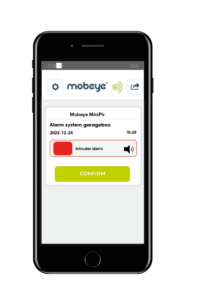

Power Failure Alarm

Power failure alarms monitor mains power and send instant alerts when an outage occurs. Reliable protection for critical equipment and locations.
Showing all 2 results
-
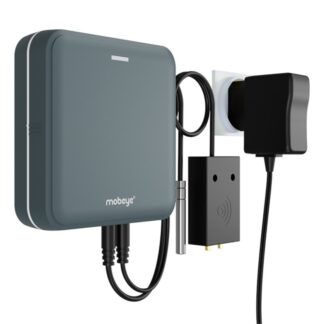

Mobeye CombiGuard CM4600
Price range: € 410,00 through € 415,00 Choose options This product has multiple variants. The options may be chosen on the product page -
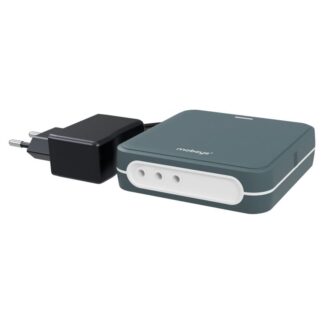 Outdoor Enclosure (Add-on)
Mobeye PowerGuard CM4100 – 4G Power Failure Alarm
Price range: € 215,00 through € 220,00 Choose options This product has multiple variants. The options may be chosen on the product page
Power Failure Alarm for Reliable Power Outage Detection
A power failure alarm is essential in any environment where continuous electricity is critical to operations, safety, or asset protection. Sudden power outages can occur due to grid instability, damaged cabling, or local technical faults. Without immediate notification, even a short interruption can lead to equipment damage, stock loss, or service disruption.
A modern power outage alarm continuously monitors mains electricity. When a power loss is detected, it instantly sends alerts via mobile app, SMS, voice call, or email. This ensures rapid response, regardless of your location, helping to minimise downtime and prevent costly consequences.
How a Power Outage Alarm System Works

A dedicated mains failure alarm monitors voltage levels in real time. When electricity supply drops or fails completely, the system switches to internal battery backup and triggers an alert notification system.
This uninterrupted monitoring ensures that a power supply failure is reported even when the primary power source is unavailable. Reliable alert delivery is critical for environments where response time directly impacts safety or business continuity.
Power Failure Alarm vs General Monitoring Devices
While some remote monitoring systems can detect power loss, a purpose-built power failure alarm offers higher reliability and faster detection. These devices are specifically engineered to identify mains interruptions instantly, reducing the risk of delayed alerts.
For users whose primary concern is electricity continuity, a dedicated power loss alarm provides more precise and dependable monitoring compared to multi-purpose systems.
Where to Install a Power Failure Alarm
Power failure detectors are widely used across sectors where electricity disruption leads to operational or financial risk. Power failure alarm systems are particularly effective in:
- Homes requiring protection for critical appliances and medical equipment. Residential properties use power failure alarms to protect freezers, medical equipment, and home security systems. Instant power outage alerts allow occupants to respond quickly and prevent damage during blackouts. Mobeye devices also provide reliable monitoring while you are travelling or away from home.
- Businesses that rely heavily on uninterrupted power supply, such as data centers, server rooms, and critical IT infrastructure facilities, can benefit from power failure alarms. These alarms provide early notification, allowing for a seamless transition to backup power sources and preventing data loss or disruptions.
- Healthcare facilities, such as hospitals and clinics can deploy power failure alarms to safeguard patient care. Notifications of power failures enable healthcare providers to activate backup generators promptly, ensuring continuous operation of life-saving equipment and medical devices. For monitoring the temperature of medicines, vaccines, and laboratory samples, explore our medical refrigerator temperature monitoring devices.
- In remote and unmanned locations or areas with unreliable power grids, power failure alarms that operate independently and provide real-time notifications without on-site supervision play a crucial role. Our technology allows remote monitoring, enabling users to receive real-time alerts and take immediate action, ensuring the functioning of vital systems.
- Industrial facilities, manufacturing plants and production facilities can use power failure alarms to minimise downtime and avoid production losses. Swift notification allows for the implementation of contingency plans, ensuring the smooth operation of machinery.
- Telecommunications infrastructure, such as cellular towers and communication hubs require consistent power to maintain network connectivity. Power failure alarms assist in promptly identifying outages, allowing telecom operators to address issues efficiently and prevent service disruptions.
Choose a Reliable Power Failure Alarm System
Selecting the right power failure alarm ensures immediate detection, reliable alert delivery, and operational continuity. A well-designed system allows you to respond quickly, reduce risk, and maintain control over critical assets.
Investing in a high-quality power outage alarm is a proactive step towards protecting equipment, preventing losses, and ensuring uninterrupted performance in any environment.
Showing all 2 results