
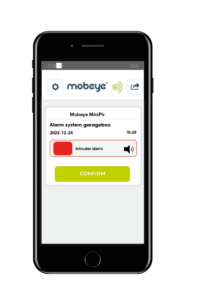

Remote Boat Monitoring
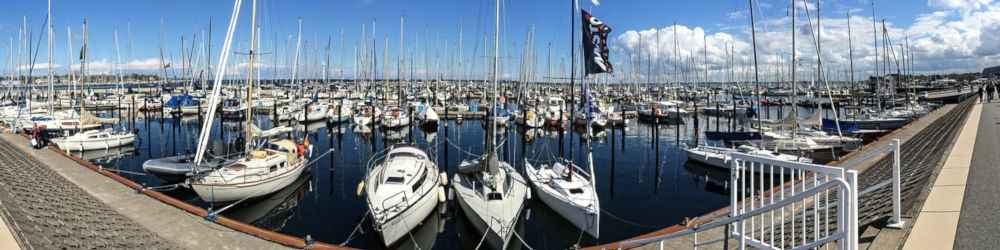
Remote boat monitoring systems provide simple, reliable vessel monitoring. 4G connectivity works independently from marina Wi-Fi.
Showing all 7 results
-
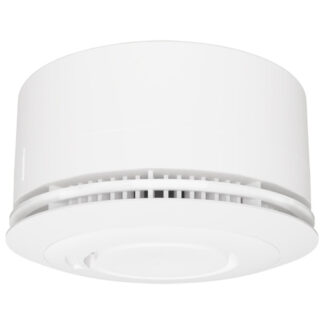

Mobeye 4G Smoke Detector CM4400, Battery Powered
€ 259,00 (€ 214,05 excl. VAT) Add to Basket -
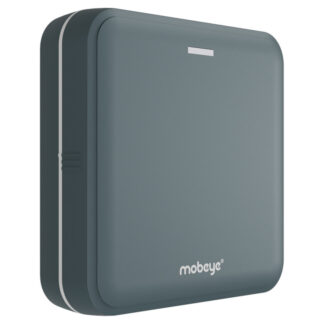
Mobeye CM-Guard TwinLog CML4055 – Voltage Alarm
€ 289,19 (€ 239,00 excl. VAT) Add to Basket -
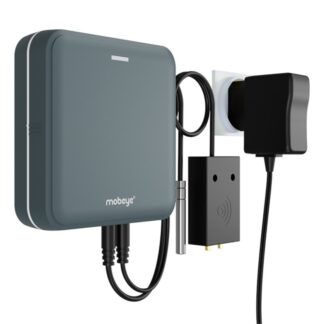
Mobeye CombiGuard CM4600
Price range: € 410,00 through € 415,00 Choose options This product has multiple variants. The options may be chosen on the product page -
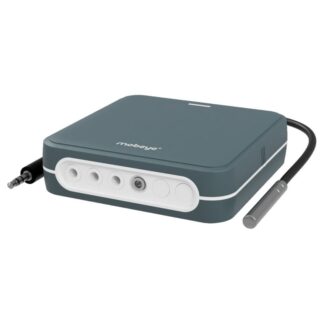 Outdoor Enclosure (Add-on)
Mobeye ThermoGuard CM4200 – 4G Temperature Detector
Price range: € 249,99 through € 275,00 Choose options This product has multiple variants. The options may be chosen on the product page -
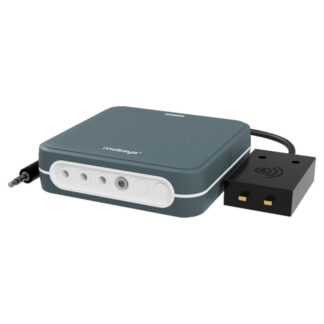 Outdoor Enclosure (Add-on)
Mobeye WaterGuard CM4300 Water Leak Detector & Alarm
€ 245,00 (€ 202,48 excl. VAT) Add to Basket -
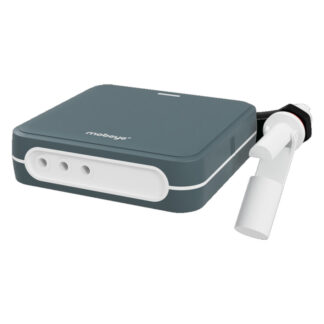 Outdoor Enclosure (Add-on)
Mobeye WaterGuard CM4300FS Water Level Alarm
€ 245,00 (€ 202,48 excl. VAT) Add to Basket -
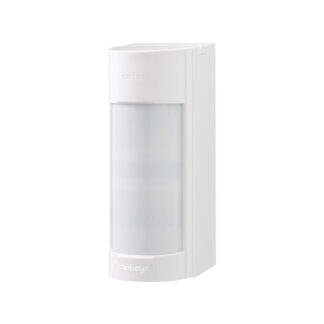
Mobeye 4G Outdoor Alarm CMVXI-R
€ 575,00 (€ 475,21 excl. VAT) Add to Basket
Remote Boat Monitoring System (4G, No Wi-Fi Required)
A remote boat monitoring system gives you continuous visibility of your vessel when you are not on board. Systems that use 4G connectivity operate via the mobile network, which makes them independent of marina Wi-Fi and significantly more reliable in practice.
When your boat is unattended, the highest risks are predictable: battery failure, loss of shore power, bilge pump failure, and undetected water ingress. A monitoring system detects these conditions early and sends immediate alerts, allowing you to act before damage escalates.
This is not convenience technology; it is risk control for boats left in marinas, on moorings, or in winter storage.
How Boat Monitoring Works in Practice
A device is installed onboard and connected to one or more sensors. These sensors track critical parameters continuously. If a value moves outside a defined range, the system triggers an alert via SMS, call, or app.
The most relevant monitoring functions are:
- Battery voltage
Low voltage is one of the main causes of failure on unattended boats. Monitoring ensures that essential systems such as bilge pumps remain operational. - Bilge water level
Rising water is detected early, allowing intervention before flooding causes structural or mechanical damage. - Shore power status
You are notified immediately when external power is lost, preventing silent battery discharge. - Temperature
Monitoring helps avoid frost damage in winter and excessive heat build-up in enclosed spaces.
Because communication runs over the mobile network, the system continues to operate even when local internet connections fail.
If you want a more detailed explanation of how monitoring works in unattended situations, see: Remote boat monitoring for unattended vessels.
Why Mobile Network Monitoring Outperforms Wi-Fi
Many monitoring solutions depend on Wi-Fi, but this introduces a structural weakness. Marina networks are often unstable, limited in range, or unavailable when you need them most.
A mobile-based system avoids this dependency entirely.
The practical difference is reliability. Alerts are sent directly over the mobile network, which reduces the risk of missed notifications. For an unattended vessel, fewer points of failure is the decisive factor.
What Problems a Monitoring System Actually Prevents
This category performs best when it is tied to real scenarios rather than abstract benefits.
A typical failure chain looks like this: shore power is lost, the battery discharges, the bilge pump stops, and water begins to accumulate. Without monitoring, this can go unnoticed until significant damage occurs.
A monitoring system interrupts that chain at multiple points:
- power loss is detected immediately
- battery voltage alerts follow
- rising water triggers escalation
This layered detection is what reduces risk in practical terms.
System Configurations and Use Cases
All-in-one monitoring
Boat owners looking to buy integrated yacht security system solutions often require a combination of monitoring and alarm functions. The Mobeye CombiGuard CM4600 combines shore power, battery voltage, bilge water levels, and cabin temperature monitoring in one unit. It is suited to boats left unattended for extended periods, where multiple risks need to be managed simultaneously. This is the most efficient option if you want broad protection without installing separate devices.
Battery-focused monitoring
Mobeye CM-Guard TwinLog CML4055 is relevant for vessels where continuous power is critical, especially when bilge pumps depend on battery health.
Bilge and flood detection
The Mobeye WaterGuard-FS CM4300FS is used where water ingress is the primary concern or where pump reliability is uncertain.
Security and motion detection
The Mobeye Call-Key and the Mobeye Outdoor Alarm CMVXI-R add a physical security layer for boats in accessible or higher-risk locations.
Access control (marinas and docks)
The Mobeye Call-Key manages entry via mobile communication, removing the need for keys or remotes.
For most vessels, combining battery monitoring with bilge detection provides the most effective baseline.
How to Choose the Right Setup
Selection should be based on risk exposure rather than features.
- Location of the boat
Remote moorings require stronger connectivity reliability than serviced marinas. - Power dependency
If critical systems rely on battery power, voltage monitoring is not optional. - Exposure to water ingress
Older vessels or those with known leak points benefit from dedicated bilge monitoring. - Duration of inactivity
The longer a boat is unattended, the more important autonomous monitoring becomes. - Network coverage
Mobile signal strength determines how reliably alerts are delivered.
A simple configuration that reliably alerts is more effective than a complex system that depends on unstable infrastructure.
Continuous Protection for Unattended Boats
A remote boat monitoring system provides ongoing oversight of the conditions that most commonly lead to damage. By combining mobile connectivity with targeted sensors and direct alerts, it allows early intervention where it matters.
The objective is straightforward: detect problems before they become failures, and maintain visibility without being physically present.
Frequently Asked Questions
Does a boat monitoring system work without Wi-Fi?
What happens if mobile coverage is weak?
Do I need a subscription?
Can multiple conditions be monitored at once?
Showing all 7 results