

Medical Refrigerator Temperature Monitoring

Medical refrigerator temperature monitoring systems protect temperature-sensitive medicines, vaccines and laboratory samples. Continuous monitoring, data logging and instant alerts help maintain safe conditions.
Showing the single result
-
 Outdoor Enclosure (Add-on)
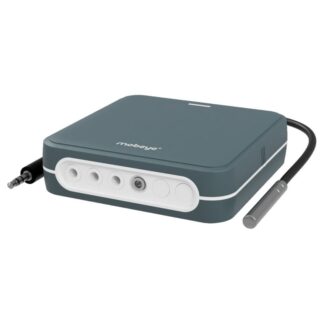
Mobeye ThermoGuard CM4200 – 4G Temperature Detector
Price range: € 249,99 through € 275,00 Choose options This product has multiple variants. The options may be chosen on the product page
Medical Refrigerator Temperature Monitoring
Vaccines, medicines, blood samples, and biological materials must be stored within strict temperature limits. Temperature excursions can affect product quality, compromise the integrity of temperature-sensitive materials, and create compliance and patient-safety risks. Medical refrigerator temperature monitoring is therefore essential in any environment where reliable cold storage is required; hospitals, clinics, laboratories, pharmacies, travel clinics, vaccine clinics, and mobile medical services included.
This category includes professional monitoring solutions for medical refrigerators and freezers, pharmaceutical coolers, and portable refrigeration units. Mobeye freezer alarms send alerts to your phone, via voice call, SMS text message or email.
What is medical refrigerator temperature monitoring?
Medical refrigerator temperature monitoring is the continuous, automated supervision of refrigeration units used to store temperature-sensitive healthcare products. Sensors measure conditions around the clock, and when temperatures move outside predefined thresholds, alerts are sent immediately, allowing staff to respond before stock is damaged. Continuous data logging also supports audits and aligns with guidelines issued by regulatory authorities.
When a temperature threshold is exceeded, the monitoring system sends an alert to the designated contacts. Staff can then check the refrigerator, verify the temperature, investigate the cause, and follow their organisation’s procedures for handling potentially affected stock. Remote notification is particularly important outside normal working hours, when a temperature excursion might otherwise remain undetected for several hours.
What temperature range do medical refrigerators need to maintain?
 Many refrigerated medicines and vaccines are stored between 2 °C and 8 °C, but the required temperature range varies by product. Always follow the manufacturer’s storage instructions and the applicable requirements for the material being stored.
Deviations outside this range – even brief ones – can reduce the effectiveness of vaccines, spoil medicines, and render blood products or plasma unusable. A refrigeration failure outside working hours can lead to the loss of an entire batch of stock if it goes unnoticed.
Unlike conventional alarm systems, Mobeye temperature monitors operate via the 4G mobile network with no dependence on broadband or fixed infrastructure, making them suitable for fixed clinical settings and mobile or remote healthcare environments alike.
The Mobeye Portal provides a clear dashboard for online programming and viewing the alarm status.
Why use remote temperature monitoring?
Checking a refrigerator’s display manually only provides information when someone is physically present. Remote monitoring continuously checks the temperature and can notify designated contacts when a limit is exceeded. This is particularly valuable overnight, during weekends, holidays, and at locations where staff are not permanently present.
Choosing the right medical refrigerator monitoring system
Different healthcare environments have different requirements. The right system depends on the type of storage, the materials held, and whether monitoring is needed across single or multiple locations.
- Real-time temperature alerts
Mobeye freezer and refrigerator alarms send immediate notifications by phone call, SMS, or email when temperature limits are exceeded or power fails, ensuring the responsible member of staff is informed without delay. - Continuous data logging
Continuous temperature logging creates a historical record of conditions inside the monitored refrigerator or freezer. Depending on the monitoring system, users can review historical measurements and identify temperature trends, excursions, and recurring problems. These records can support internal quality procedures, investigations, audits, and documentation requirements. - Multiple sensor support
More advanced systems support multiple temperature sensors and provide online access to historical data through a central dashboard, giving full visibility across an entire facility or portfolio of sites. - Wireless and portable operation
Wireless monitors require no complex infrastructure and are well suited to medical coolers, portable refrigerators, cooler bags, and mobile healthcare units.
Where medical refrigerator temperature monitoring is used
Temperature monitoring systems for medical refrigerators are used across a wide range of healthcare and research settings:
- Hospitals and clinics – ensuring vaccines remain within the required temperature range and potency is preserved
- Pharmacies – monitoring pharmaceutical freezers and refrigerators for temperature excursions that could spoil medications
- Blood banks, plasma stores, and tissue banks – tracking temperature for stored blood products and tissue samples that require strict control
- Laboratories and research institutions – keeping reagents, culture media, biological samples, DNA, proteins, and sera within precise temperature brackets
- Clinical trial and biopharma facilities – monitoring drug stability under refrigerated conditions throughout study periods
- Vaccine distribution and logistics hubs – supervising temperature in transit or at regional warehouses before distribution to clinics
- Public health and immunisation programmes – managing networks of vaccine storage sites across remote or rural areas
- Veterinary clinics – monitoring refrigerators storing veterinary vaccines, biologics, and animal tissue samples
- Mobile health units and vaccination camps – providing reliable monitoring in variable field conditions where fixed infrastructure is unavailable
- Emergency and pandemic stockpiles – protecting cold storage for vaccines and antiviral reagents prepared for outbreak response
- Cold chain compliance and audit – generating documentation that cold storage equipment has functioned within specification for regulatory purposes
Frequently Asked Questions
Do I need a broadband connection to monitor a medical refrigerator remotely?
What happens if the power fails?
Can I monitor multiple refrigerators across different sites?
Do temperature monitoring systems support regulatory compliance?
Showing the single result