

Void Property Security

Void property security devices are battery-powered and use 4G connectivity for reliable remote protection.
Showing the single result
-
 Outdoor Enclosure (Add-on)
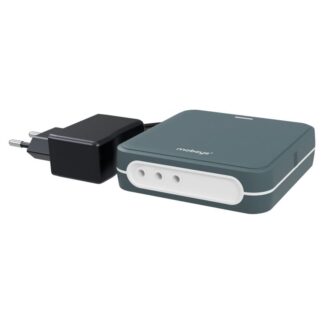
Mobeye PowerGuard CM4100 – 4G Power Failure Alarm
Price range: € 215,00 through € 220,00 Choose options This product has multiple variants. The options may be chosen on the product page
Void Property Security Solutions
An empty building doesn’t announce its problems. A leak that would be spotted in minutes in an occupied home can run for weeks in a vacant one. Pipes freeze and burst with nobody there to notice. Intruders can come and go undetected. A fire can smoulder for hours before anyone raises the alarm. The longer a property sits empty, the more it’s exposed to loss and damage that a occupied building simply wouldn’t suffer.
Why standard alarm systems don’t work for empty buildings
Most alarm systems assume the basics are in place: broadband, a landline, mains power running continuously. In a vacant property, none of that can be relied on. Utilities get disconnected. Services get cut off. A conventional vacant property alarm often can’t even switch on.
Mobeye devices are built around that problem. There’s no broadband, no landline, and no fixed wiring required, so they work in properties where the utilities have already been switched off. Each unit runs on battery power and connects over the 4G mobile network. Installation takes minutes, not an engineer visit, and once fitted, the device keeps monitoring the property on its own. Battery life typically runs over a year, depending on the device and how often it’s triggered, so you’re not back on site every few weeks to check on it.
When something happens, whether that’s a break-in, a leak, or a temperature drop, the alert goes out straight away through the Mobeye Messages app, by SMS, or directly to an Alarm Receiving Centre. Owners, landlords, and managers find out the moment there’s a problem, not weeks later on a routine inspection.
The devices are also portable. As a property’s status changes, from empty to occupied and back again, the same unit can move with it, or be redeployed to a different site entirely. For landlords and developers juggling several empty buildings, that flexibility matters.
What counts as a void property
A void property is one that’s temporarily empty. Between tenants, mid-refurbishment, on the market, or standing vacant ahead of redevelopment. Each of these situations carries its own risks, which is part of why a standard household alarm rarely covers it properly. Effective vacant house security starts with understanding what’s actually likely to go wrong on that particular site.
Protecting vacant properties: what to choose
Every vacant property presents different risks. Effective property monitoring begins with identifying the most likely threats.
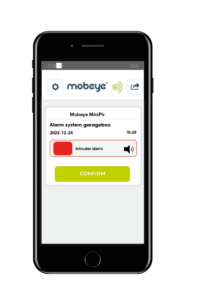
- Intruder detection indoors: The MiniPir iCM41 picks up movement inside the building and sends an alert the moment someone enters.
- Outdoor perimeter protection: The 4G Outdoor Alarm CMVXI-R covers yards, entrances, and the wider perimeter, catching activity before it reaches the building itself.
- Independent fire detection: The Smoke Detector CM4400 works independently of any wired fire system or mains power, so it still functions even when everything else in the building has been switched off.
- Power failure monitoring: The PowerGuard CM4100 racks the mains supply and flags it immediately if power is lost, often one of the first signs of tampering or a wider issue on site.
- Frost and temperature monitoring: The ThermoGuard CM4200 watches indoor temperature and warns when it’s heading towards freezing, giving you time to act before pipes burst.
- Leak and flood detection: The Mobeye WaterGuard Detectors catch water ingress and flooding early, before it turns into a structural repair bill.
Each device runs quietly in the background and only needs attention when it actually detects something. Once the property is reoccupied, the same unit can be redeployed elsewhere rather than sitting unused. If you’re looking for cover during normal trading hours instead, our security solutions for small businesses are built for that.
Where this kind of property monitoring gets used
- Residential properties left empty for extended periods
- Commercial or industrial units between tenancies
- Buildings undergoing refurbishment or planned works
- Construction sites and new-builds before permanent security is installed
- Larger portfolios of vacant buildings managed by facilities teams
Whether it’s one empty house or a whole portfolio of commercial sites, the same approach to monitoring applies.
Frequently Asked Questions
Do I need a phone line or broadband connection to monitor my vacant property remotely?
How long do the batteries last?
Can I monitor more than one property?
Do insurers recognise monitored alarms for unoccupied properties?
Showing the single result