
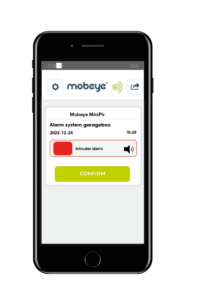

When you are away from your property, a lot can happen. A door is forced open, a pipe leaks, or a fire starts — and without the right system in place, you may not find out until the damage is done. Alarms with SMS notification change that. They send you an alert the instant a sensor triggers, directly to your mobile phone, so you can act while it still makes a difference.
Mobeye builds on this with devices that go further than SMS alone. Depending on your preference, alerts can also reach you via call, email, or push notification — giving you immediate updates through whatever channel works best for you.
Interested in the push notification option? Take a look at the Mobeye Messages app.
What Is an Alarm with SMS Notification?
An SMS alarm system combines standard alarm functionality with mobile communication. When a sensor detects an event — an intrusion, smoke, a temperature drop, or water leakage — the system sends an SMS alert to one or more designated recipients without delay.
A typical system consists of four components:
- Sensors — Placed to detect specific events such as movement, smoke, fire, or flooding.
- Control panel — Processes sensor data and triggers the alarm when a threshold is met.
- SMS gateway — Connects the system to a cellular network to send outgoing messages.
- Recipient list — A configurable list of contacts who receive alerts when the alarm activates.
In Mobeye devices, all of this is built into a single unit measuring just 94 × 94 × 28 mm.
Why Use an Alarm with SMS Notification?
Instant alerts, no internet required
SMS works independently of Wi-Fi or broadband. Even if your internet connection goes down, the alerts still get through — making SMS one of the most dependable channels for time-sensitive notifications.
Always informed, wherever you are
The moment an alarm triggers, your phone receives a message. You do not need to check an app or log into a dashboard. The information comes to you directly, allowing you to call a neighbour, contact emergency services, or check a live camera feed straight away.
Customisable to your situation
You choose which events trigger an alert and who receives them. A homeowner might want notifications for intrusion and smoke only. A business might route alerts to a security team and a manager simultaneously. The system adapts to the setup you need.
Remote control from your phone
Mobeye’s SMS alarm systems let you arm or disarm the device, check its status, and adjust settings remotely. No need to be on-site to manage the system.
Works alongside your existing setup
Mobeye devices can integrate with other systems, including smart locks, lighting, or building management tools, allowing your alarm to fit into a broader security or automation setup rather than operating in isolation.
A cost-effective layer of protection
Compared to professional monitoring contracts, SMS alarm systems offer a high level of awareness at a lower ongoing cost. Faster response times can also reduce the severity of incidents — and may be taken into account by your insurer.
Choosing the Right Mobeye Device
The right device depends on what you are protecting and the specific events you need to monitor. Mobeye products are organised by application to make that decision easier — whether you need a basic intruder alert for a remote property or a multi-sensor setup for a commercial site.
Setup is straightforward, and the devices are designed to be configured without specialist knowledge. If you are unsure which product fits your project, contact us and we will point you in the right direction.
Who Uses Alarms with SMS Notification?
Home security
For homeowners, an SMS alarm is most valuable when the property is empty — during holidays, weekends away, or simply during working hours. A motion sensor at the front door or a smoke detector in the kitchen can send an alert within seconds of triggering, giving you time to act rather than return to a problem that has already escalated.
Business premises
Shops, offices, and warehouses are frequent targets outside opening hours. An SMS alarm system lets you notify a security contact, a keyholder, or the police the moment an intrusion is detected — without relying on a staffed monitoring centre. Multiple recipients can be set up, so the right people are always in the loop.
Remote and uncrewed locations
Alarms with SMS notification are especially useful for locations that are rarely visited — holiday homes, agricultural buildings, plant rooms, or construction sites. Because SMS operates over the mobile network rather than broadband, the system works reliably even in locations without a fixed internet connection.
Conclusion
An alarm that goes off without telling anyone is only half a solution. SMS notification closes the gap between detection and response, keeping you informed in real time regardless of where you are. Mobeye devices combine dependable hardware with flexible alert options, so you get the right message through the right channel at the right moment.
Browse Mobeye’s alarm and monitoring devices to find the right fit for your property.
Examples of Mobeye alarms with sms notification
-
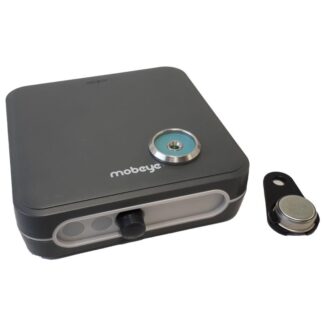
 Mobeye MiniPir Intruder Alarm iCM41€ 359,00 (€ 296,69 excl. VAT)
 -
 Optional extra: Outdoor VersionMobeye CM-Guard CM4000 – 4G LTE-M Universal Alarm Communicator€ 199,99 (€ 165,28 excl. VAT)
 -
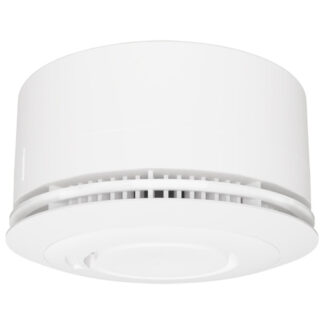 Mobeye 4G Smoke Detector CM4400, Battery Powered€ 259,00 (€ 214,05 excl. VAT)
 -
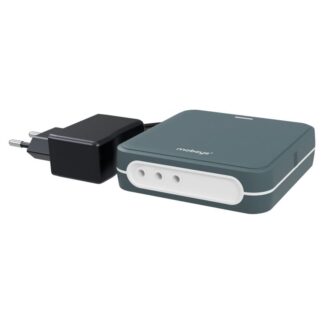 Optional extra: Outdoor VersionMobeye PowerGuard CM4100 – 4G Power Failure AlarmPrice range: € 215,00 through € 220,00
Frequently Asked Questions
Yes. Mobeye devices connect via the mobile network (GSM/4G), so they operate independently of your broadband or Wi-Fi. This makes them reliable in locations where internet connectivity is limited or unstable.
In most cases, the alert is sent within seconds of the sensor triggering. Delivery time depends on your mobile network, but under normal conditions the message arrives almost immediately.
Yes. You can configure a recipient list with multiple contacts. This is useful for households with two or more owners, or businesses where alerts need to reach both a security team and a site manager.
Yes. Mobeye’s systems support two-way SMS communication, allowing you to arm or disarm the device, request a status update, or adjust settings by sending a message from your phone.
Mobeye devices support multiple notification channels. If SMS is set as the primary alert, you can also configure call or email as a backup, reducing the risk of a missed notification.