
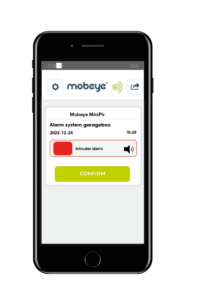


A remote temperature alarm can protect a well house, water pump, pressure tank and pipes from freezing, even when there is no Wi-Fi at the location.
Continue reading Remote Temperature Monitoring Without Wi-Fi: Well House Freeze Alarms and MoreMobeyeStore’s helpful and useful tips and advice on how to use Mobeye products. MobeyeStore is Official Dealer of Mobeye products. Mobeye products help people to secure, monitor and remotely control their property, belongings and devices. It is our mission to provide comfort and safety to our customers.
A remote temperature alarm can protect a well house, water pump, pressure tank and pipes from freezing, even when there is no Wi-Fi at the location.
Continue reading Remote Temperature Monitoring Without Wi-Fi: Well House Freeze Alarms and More
Ask anyone who has been involved with the fish keeping hobby for any length of time and they will have a story about a heater that mysteriously failed over the weekend or the canister filter that lost prime after being left unattended for a couple of days. Ask them about a slow bulkhead leak that ruined their cabinet floor long before they knew it was there. Ask them about the fish that looked healthy before being placed in an unfamiliar environment.
These are the kinds of situations where having an aquarium monitoring system can help to alleviate a potential catastrophe before it becomes an immediate emergency.
Continue reading Aquarium & Fish Pond Monitoring System: Get Alerted Before You Lose Fish
Copper theft follows a pattern. Before anything is stripped from a substation, a rail cabinet, or a construction site, the mains power goes down. Cameras go dark. Alarm panels lose power. For the next few minutes – sometimes longer – the site is blind.
Most security teams only find out once someone arrives and sees the damage. By then there is nothing to investigate except the cost.
Continue reading Copper Theft Prevention: How a Power Failure Alarm Makes the Difference
If you are managing your own build, protecting your tools is one of the most important things you can get right early on. Unlike large commercial sites, self-build projects rarely have dedicated security staff or permanent site management. That makes them an easy target, and the losses can be significant.
A stolen generator, cordless tool set, or power unit does not just cost money. It stops work, triggers insurance admin, and pushes your timeline back by days. Here is how to protect what you have.
Continue reading How to Protect Tools on a Building Site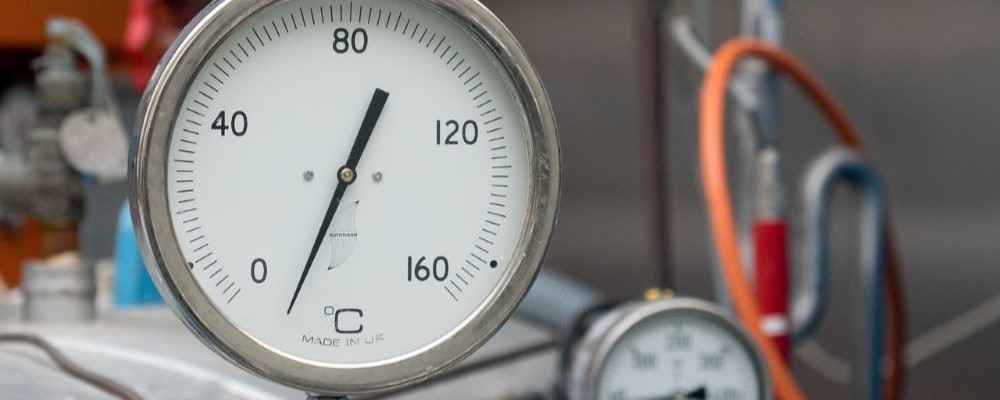
A freezer fails overnight. A boiler stops working in an empty holiday home. A vaccine storage unit drifts above the permitted range on a Sunday afternoon. In each case, the cost of finding out too late, whether through spoiled stock, property damage, or wasted medication, far exceeds the cost of knowing straight away.
Wireless temperature monitoring solves exactly that problem. A sensor placed at the location measures temperature continuously and sends an alert to your phone the moment something goes outside the set limits. No manual checks, no site visits, no unpleasant surprises.
This guide explains how the technology works, where it is most useful, and how to choose the right system for your situation.
Continue reading Wireless Temperature Monitoring: How It Works and Where It Helps
When you are away from your property, a lot can happen. A door can be forced open, a pipe can leak, or a fire can start. Without the right system in place, you may not find out until the damage has already been done. Alarms with SMS notification change this by sending an alert the moment a sensor is triggered, directly to your mobile phone, so you can respond while there is still time to act.
Mobeye takes this further with devices that offer more than SMS alerts alone. Depending on your preferences, notifications can also be sent by phone call, email, or push notification, giving you updates through the communication method that suits you best.
Interested in push notifications? Discover the Mobeye Messages app.
Continue reading Alarms with SMS Notification: Stay Informed the Moment It Matters
The shift from analogue telephone lines to IP-based alarm reporting is already underway. In the Netherlands, analogue lines were phased out in 2023. In the United Kingdom, Openreach’s national PSTN and ISDN switch-off is confirmed for 31 January 2027, following a delay from the original December 2025 target.
For security installers and system owners, this has a direct consequence: alarm systems that rely on PSTN diallers to report to an Alarm Receiving Centre will need to be upgraded. IP reporting via 4G is the correct replacement, and the transition is more straightforward than it might appear.
Continue reading Connecting Your Alarm System to an ARC via IP: How Mobeye Handles the Analogue Switch-Off
A gap between tenants is an unavoidable part of letting a property. Whether it lasts two weeks or six months, it represents a window of genuine exposure, one that most landlords underestimate until something goes wrong.
This guide is written for landlords and letting agents managing residential lets between tenancies. It covers the risks that arise once tenants move out, what landlord insurance policies typically expect during that gap, and how to choose the right level of monitoring based on your property type, how long it will sit empty, and how much oversight you can realistically provide.
Continue reading How to Secure a Rental Property During a Void Period