

Water damage is one of the most common causes of property insurance claims in the UK. According to the Association of British Insurers, escape of water claims account for a significant proportion of household payouts each year. Most water damage incidents begin as small escape of water leaks beneath sinks, behind appliances or within concealed pipework.
If you want to prevent water damage at home, the focus should be on routine inspection, seasonal preparation and early detection in high-risk areas. Acting before visible damage appears is what reduces long-term cost.
The Most Common Causes of Water Damage in Homes

Understanding where problems originate allows you to reduce risk effectively.
Burst pipes are a leading cause, particularly during winter. When water freezes inside pipework, pressure increases and can split joints or fittings. Once temperatures rise, leaks begin.
Appliance hose failures are another frequent issue. Washing machines, dishwashers and fridge water lines rely on flexible connections that degrade over time. These leaks often occur at the rear of the appliance and remain hidden.
Boilers and hot water cylinders can develop slow drips at valve connections. Even minor seepage can saturate flooring and substructures over time.
Blocked gutters and damaged roof coverings allow rainwater ingress. In homes with basements or cellars, rising groundwater and sump pump failure increase flood risk during heavy rainfall.
Most serious incidents start as gradual leaks rather than sudden flooding.
In insurance terms, these internal plumbing failures are classified as escape of water, which differs from external flooding caused by rising rivers or surface runoff.
Early Signs of Water Damage from Hidden Leaks

Preventing water damage at home depends on recognising warning signs early.
An unexplained increase in your water bill may indicate a concealed leak. Even a slow drip can waste hundreds of litres per month.
Damp patches on ceilings or walls, especially below bathrooms, are common indicators of pipe or seal failure. Paint blistering, wallpaper peeling or staining should not be ignored.
Persistent musty odours suggest trapped moisture within walls or under floors. Warped floorboards, lifting laminate and mould growth around skirting boards are further signs of prolonged damp exposure.
Electrical issues near affected areas can also occur if moisture spreads.
Practical Steps to Prevent Escape of Water Incidents
Routine checks significantly reduce the likelihood of escape of water incidents.
- Inspect visible pipe joints and appliance hoses at least twice per year. Replace ageing rubber hoses with braided steel alternatives for improved durability.
- Insulate exposed pipework in lofts, garages and external walls before winter. Pipe insulation sleeves are inexpensive and reduce freezing risk.
- Keep gutters and downpipes clear of leaves and debris to prevent overflow during heavy rainfall.
- Examine silicone seals around showers, baths and sinks annually. Cracked sealant should be removed and replaced promptly.
- Ensure appliances are level and not vibrating excessively, as movement places stress on hose connections.
Consistent inspection prevents minor issues from escalating.
Seasonal Risks Homeowners Should Not Overlook
Cold weather significantly increases burst pipe risk. Before winter, locate your internal stopcock and confirm it operates correctly. In prolonged freezing conditions, maintaining low-level heating can prevent internal pipe freezing.
During periods of heavy rainfall, check external drainage channels and inspect basement areas for early signs of rising damp.
Seasonal awareness strengthens your overall water damage prevention strategy.
Why Early Leak Detection Provides Added Protection
Even with careful maintenance, hidden leaks can still occur. Pipework behind walls, beneath floors or inside cabinets is not always visible.
Water leak sensors provide continuous monitoring in vulnerable areas. When moisture is detected at floor level, an alert is triggered immediately, allowing rapid intervention before widespread damage develops.
For homeowners seeking proactive protection, installing dedicated water detectors in high-risk areas such as under sinks, near boilers or inside basements adds a layer of early warning that manual inspection alone cannot provide.
For comprehensive protection, you can explore a range of detectors and monitoring solutions on our Home & Garden Security page.
Where to Install Water Leak Sensors to Prevent Water Damage

Placement determines effectiveness.
Install sensors beneath kitchen and bathroom sinks where joints and waste pipes are located. Position units behind washing machines and dishwashers to detect hose splits early.
Place detectors near boilers, hot water cylinders and expansion vessels. In homes with basements, cellars or crawl spaces, position sensors at the lowest point where water would accumulate first.
If a sump pump is installed, monitoring the pump area can provide early warning of malfunction or rising groundwater.
The objective is to detect moisture before it spreads into structural materials.
What to Do If You Discover a Leak
Immediate action reduces damage.
Turn off the water supply using the internal stopcock. Isolate electrical circuits in affected areas if safe to do so. Remove standing water quickly using absorbent materials or a wet vacuum.
Ventilate the space thoroughly to reduce humidity and begin drying surfaces. If structural materials are saturated, professional assessment may be required to prevent long-term mould development.
Fast response limits repair cost.
Reduce Risk with Preventive Monitoring
To prevent water damage at home effectively, combine regular inspection with intelligent monitoring in vulnerable locations. Most escape of water incidents begin as small, unnoticed leaks. Early detection is the most reliable way to minimise structural water damage and reduce insurance disruption.
Water damage prevention is not reactive. It is a structured approach built on awareness, maintenance and early detection.
Mobeye Water Detectors
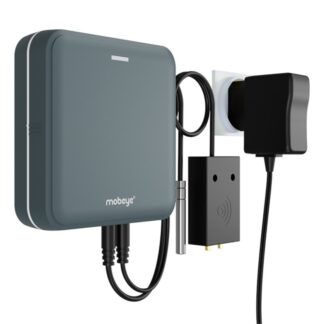

Mobeye CombiGuard CM4600 – Boat Alarm
Price range: € 410,00 through € 415,00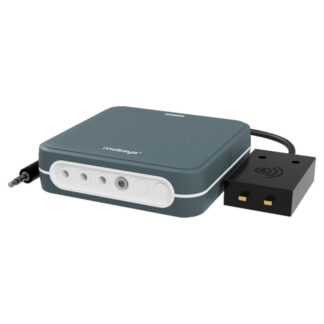 Optional extra: Outdoor Version
Mobeye WaterGuard CM4300 Water Leak Detector & Alarm
€ 245,00 (€ 202,48 excl. VAT)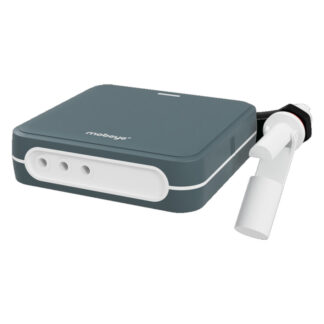 Optional extra: Outdoor Version
Mobeye WaterGuard w/ Float Sensor CM4300FS
€ 245,00 (€ 202,48 excl. VAT)