
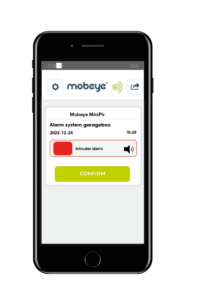

If you are managing your own build, protecting your tools is one of the most important things you can get right early on. Unlike large commercial sites, self-build projects rarely have dedicated security staff or permanent site management. That makes them an easy target — and the losses can be significant.
A stolen generator, cordless tool set, or power unit does not just cost money. It stops work, triggers insurance admin, and pushes your timeline back by days. Here is how to protect what you have.
Understand the Risk Before You Start
Residential building sites are targeted precisely because they look unguarded. An open plot, an unlocked container, and tools left out overnight are all the invitation a thief needs. Most incidents happen outside working hours — evenings, weekends, and bank holidays.
The good news is that most building site theft is opportunistic. That means basic, well-applied measures are often enough to deter it.
Lock Everything Away — and Alarm the Storage
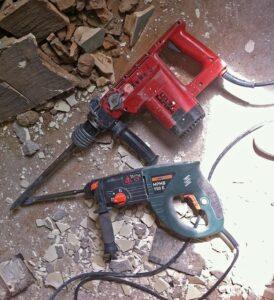
A steel storage container is the standard choice for tool storage on a self-build site, and rightly so. It is robust, weatherproof, and relatively affordable. But a locked container on its own is not enough — thieves know that self-build sites often store thousands of pounds worth of kit inside them, and a padlock alone will not stop a determined attempt.
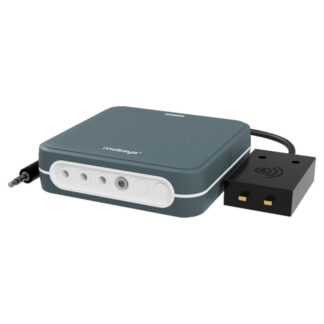
A container alarm changes the situation entirely. The moment someone tries to force entry, an alert is triggered — to your phone, to a monitoring service, or both. This is the difference between discovering a break-in the next morning and being able to respond in real time. For a self-builder with a single container on site, a container alarm is one of the best investments you can make.
Read more: Alarms with SMS Notification
Use Motion Detection to Cover the Wider Site
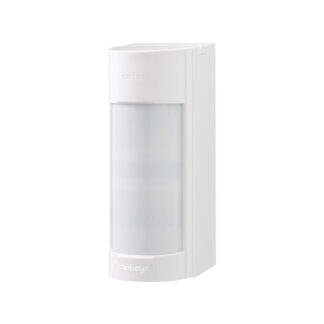
Your container is not the only thing worth protecting. Tools left near the work area, a cement mixer, scaffolding equipment, or a site cabin all represent value. Motion detectors placed around the perimeter and key areas of the site give you visibility of movement outside working hours.
They also act as a deterrent. A site that responds to movement — whether through an alert, a light, or an audible warning — is a much less attractive target than one that sits dark and silent overnight.
Do Not Overlook Water Damage

Theft gets most of the attention, but water damage is a serious and underestimated risk on self-build sites. A sudden downpour, a drainage issue, or a temporary plumbing problem can soak battery-powered tools, damage electrical equipment, and ruin materials stored inside a container.
A water detector placed on the container floor or in vulnerable areas of the structure gives you early warning. Rather than arriving on site to find your tools sitting in an inch of water, you get an alert the moment moisture is detected — giving you time to act before the damage spreads.
Read more: How to Prevent Water Damage at Home
Set Up a Simple Daily Routine
Technology only works if you use it consistently. At the end of each working day, everything should go back into the container — no exceptions. Assign one person the responsibility of locking up and arming the alarm. Keep a basic log of what is on site, so you know immediately if something goes missing.
It sounds straightforward, but on a busy self-build it is easy for this discipline to slip. A clear routine, repeated daily, is what makes the difference.
Know What You Have Before You Lose It
Before any tools arrive on site, photograph them and record serial numbers. This takes less than an hour and makes insurance claims significantly easier to process. Mark tools with your postcode or a unique identifier — this does not prevent theft, but it does increase the chances of recovery and reduces the resale value for a thief.
The Practical Setup for a Self-Build Site
For most self-build projects, a workable protection setup comes down to three things: a secured container with a container alarm, motion detection covering the surrounding area, and a water detector inside the storage unit. Together, these cover the three main risks — forced entry, unauthorised access, and environmental damage — without requiring a large investment or professional installation.
It will not eliminate every risk. But it will make your site a significantly harder target than the one down the road without any of these measures in place.
Recommended Products

Frequently Asked Questions
Most container alarms designed for self-build and small construction sites are straightforward to install yourself. Mobeye container alarms connect to your phone via 4G. No WiFi, specialist wiring or professional installation is required.
This is common on self-build sites, particularly in the early stages. Battery-powered alarms and detectors are widely available and well-suited to sites without a permanent power supply. Mobeye devices can run for over a year on a single set of batteries. When the battery voltage is low, a warning message is sent.
Read more: How to Monitor Remote Locations Without WiFi or Fixed Internet
It can, if the sensitivity is set too high or the detector is poorly positioned. However, Mobeye motion detectors are pet friendly, so animals moving around the site will not trigger unnecessary alerts. Spending a few minutes on positioning and sensitivity settings when you first install the unit will keep false alarms to a minimum.
It depends on the policy. Most self-build and site insurance policies include some level of cover for tools and equipment on site, but the conditions vary — some require tools to be stored in a locked container, others specify that an alarm must be in place. Check your policy wording before tools arrive on site, not after something goes missing.
Fencing is the ideal starting point, but many self-build plots do not have it in place from day one. In the absence of a physical perimeter, focus on what you can control: lock all tools inside an alarmed container at the end of every day, use motion detectors to monitor the immediate area around storage, and avoid leaving high-value items visible from the road. Visibility is what attracts opportunistic theft — reduce it wherever you can.
Leaving it too late. Security is often treated as something to sort out once the build is underway, by which point tools and materials are already on site and exposed. The time to set up your container alarm, motion detectors, and storage routine is before the first delivery arrives — not after the first theft.