
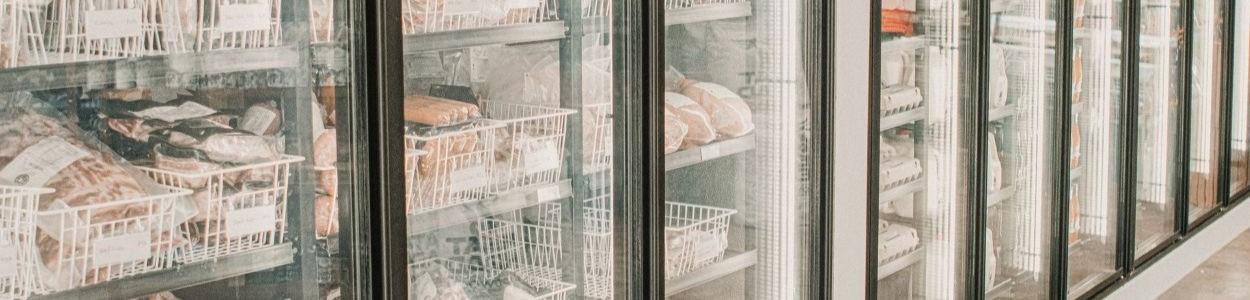
Modern refrigeration systems rely on electronic controls to maintain stable temperatures. Supermarkets, food retailers, restaurants and storage facilities depend on these systems to protect refrigerated and frozen products, often 24/7. When a cooling system stops working as expected, temperatures can rise before anyone notices. The damage caused can be lost stock, financial loss and disruption to business operations.
Reports of a cyberattack involving supermarket refrigeration systems in France in October 2026 have drawn attention to the risks associated with connected refrigeration equipment. According to the reports, the incident affected refrigeration controls and led to serious problems with cooling. The case raises an important question for businesses: how can they detect a temperature problem if the equipment responsible for maintaining the correct conditions no longer operates as expected?
Independent temperature monitoring offers one way to address this concern. By measuring temperature separately from the refrigeration controls, businesses can receive an additional warning when conditions move outside the permitted range.
How a refrigeration failure can affect stock
Commercial refrigeration systems are designed to maintain specific temperature ranges. Refrigerators, freezers and cold rooms may contain products that must remain within these limits to preserve their quality, safety or usability.

A cooling failure does not always produce an immediate, visible sign of trouble. A compressor may stop operating, a control system may malfunction, a defrost cycle may continue for too long or a power interruption may affect the equipment. In other cases, incorrect settings or unauthorised changes to the controls may prevent the system from maintaining the intended temperature.
The temperature inside a refrigerated space can then move beyond the acceptable range. How quickly this happens depends on factors such as the insulation, the amount and type of stored products, the surrounding temperature and the condition of the refrigeration equipment.
For businesses storing food, prolonged exposure to unsuitable temperatures can lead to product losses and questions about whether stock remains suitable for sale. The consequences may extend beyond the value of the affected goods. Staff may need to inspect stock, assess the duration of the temperature deviation, arrange replacement products and investigate the cause of the failure.
The same operational problem can occur in an unattended building. If a refrigeration fault develops overnight or during a holiday, staff may not discover it until they return. By that time, the temperature may have been outside the required range for an extended period.
The additional risks of connected refrigeration systems
Connected refrigeration equipment can make it easier to manage settings and monitor operational performance. However, equipment that communicates through digital networks also needs appropriate cybersecurity measures.
Outdated software, insecure configurations and unauthorised access can create risks for connected systems. If an attacker gains control of refrigeration settings, the cooling process may be disrupted without a conventional mechanical failure. The resulting temperature changes can have the same practical consequences as other refrigeration problems.
Cybersecurity measures remain essential. Keeping equipment updated, restricting access and following the manufacturer’s security recommendations can help reduce the risk of unauthorised interference.
However, protecting the control system and monitoring the actual temperature are different tasks. Security measures aim to prevent or limit unauthorised access, while temperature monitoring helps identify when conditions move outside an acceptable range. Businesses that depend on refrigeration should consider both.
Why monitoring temperature independently matters
A refrigeration controller regulates the operation of the cooling equipment. It manages functions such as cooling cycles and defrosting to maintain the desired conditions.
An independent temperature monitoring device serves a different purpose. It measures the temperature using its own sensor and triggers an alarm when a configured threshold is exceeded.
This distinction is important because a refrigeration system can fail for several reasons. A mechanical fault, a power interruption, an incorrect setting or interference with the controls can all lead to abnormal temperatures. A separate monitoring device provides an additional way to identify the resulting temperature deviation.
For example, if a freezer begins to warm up outside working hours, an independent monitor can send an alert when the measured temperature crosses the configured limit. The responsible contact can then investigate the problem rather than relying on someone to discover it during the next routine visit.
Independent monitoring is not a replacement for refrigeration controls, maintenance or cybersecurity. Nor does it guarantee that every fault will be detected. Its effectiveness depends on placing the sensors correctly, setting suitable alarm thresholds, ensuring reliable power and communication, and having a clear procedure for responding to alerts.
The purpose is to add another layer of oversight, so that a problem affecting the stored products is less likely to remain unnoticed.
Remote temperature monitoring with Mobeye
-
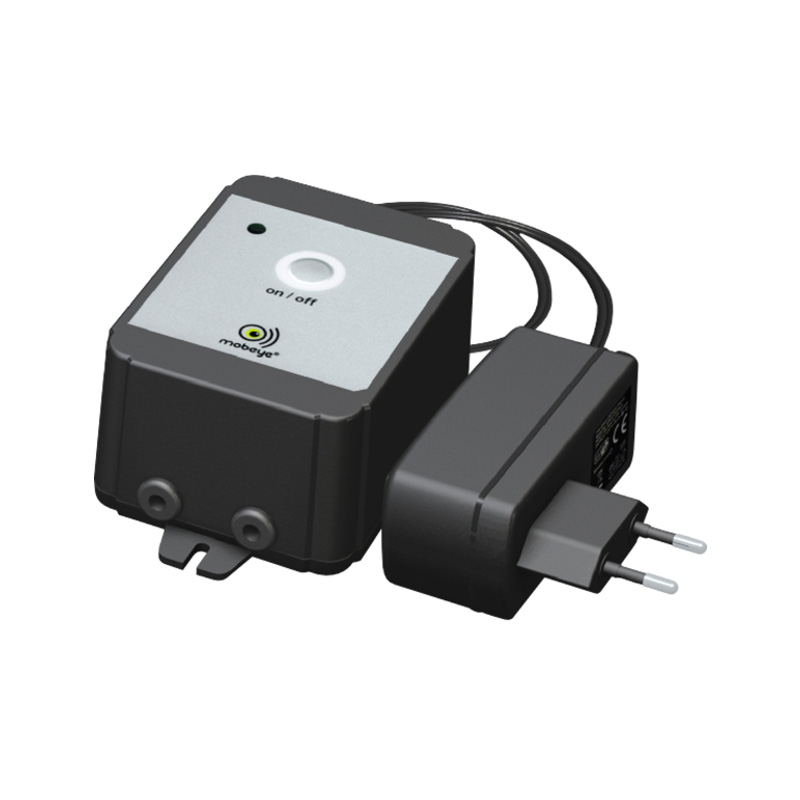
 Outdoor Enclosure (Add-on)
Mobeye ThermoGuard CM4200 – 4G Temperature Detector
Price range: € 269,83 through € 294,03 Choose options This product has multiple variants. The options may be chosen on the product page -
Mobeye Frost Alert CM4200X
€ 329,12 (€ 272,00 excl. VAT) Add to Basket -
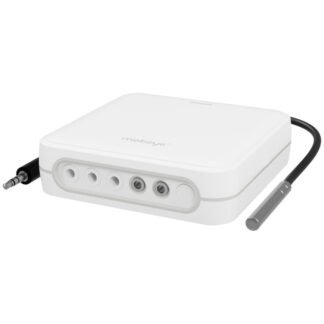
Mobeye ThermoGuard TwinLog CML4255 Temperature Alarm
€ 387,20 (€ 320,00 excl. VAT) Add to Basket -
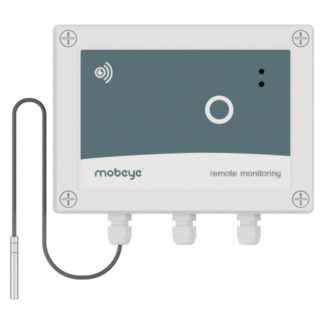
Mobeye ThermoGuard TwinLog CML4275 Temperature Monitor
€ 447,70 (€ 370,00 excl. VAT) Add to Basket
Mobeye temperature monitoring devices measure temperature and send alarm notifications when configured limits are exceeded. This enables businesses to monitor temperature conditions remotely and receive warnings when attention may be required.
Depending on the device and configuration, notifications can be delivered through the Mobeye Portal and App using push notifications, telephone calls, text messages or email. Designated contacts can therefore be informed even when the monitored location is unattended.
Remote notifications are particularly relevant to businesses that cannot keep staff on site at all times. Instead of depending exclusively on manual checks, they can receive an alert when the measured temperature moves outside the permitted range and investigate accordingly.
The monitoring arrangement should reflect the application. A refrigerated display cabinet, a walk-in cold room and a deep freezer may have different operating requirements and acceptable temperature limits. The selected device, sensor and alarm settings must suit the temperature range and conditions being monitored.
It is also important to consider what happens after an alarm is received. Staff need to know who will investigate, how the refrigeration equipment will be checked and how potentially affected stock will be assessed. Temperature monitoring provides information that supports these decisions, but it does not replace them.
Protecting refrigerated stock outside working hours
Temperature monitoring is especially useful when refrigeration equipment operates continuously but staff are only present for part of the day. A problem that develops in the evening, overnight or at the weekend may otherwise remain undiscovered until the next working period.
With remote alarm notifications, designated contacts can be informed of a temperature deviation without having to be physically present at the site. They can then decide whether an inspection or intervention is necessary.
The Mobeye ThermoGuard TwinLog CML4255 records temperature readings at configurable intervals and makes the data available through the Mobeye Portal, where users can view the readings as graphs and tables and download the recorded data. This makes it possible to review temperature changes over time, including fluctuations that may have occurred outside working hours.
The value of this approach is not limited to cybersecurity incidents. Independent temperature monitoring can also help identify the consequences of equipment failure, power loss or other circumstances that affect cooling performance.
For supermarkets and other food businesses, earlier awareness of a temperature problem can support a faster investigation and help staff make informed decisions about stock. The extent to which losses can be limited depends on the nature of the fault, how quickly the alert is received and the action taken in response.
Combining cybersecurity and temperature monitoring
No single measure addresses every risk associated with commercial refrigeration. Cybersecurity helps protect connected controls, while maintenance supports reliable equipment operation. Independent temperature monitoring adds a separate means of identifying abnormal conditions.
These measures complement one another. Even when refrigeration equipment is properly maintained and secured, faults can still occur. Monitoring the actual temperature provides information about whether the required conditions are being maintained, rather than relying solely on the intended operation of the cooling system.
For businesses that store temperature-sensitive products, this additional oversight can form part of a wider risk management strategy. The aim is to identify temperature deviations promptly, investigate their cause and take appropriate action before a problem develops further.
Mobeye provides remote temperature monitoring solutions for applications where timely alerts can help businesses respond to abnormal temperatures. By monitoring temperature independently of the refrigeration controls, businesses can add an extra layer of awareness to their refrigeration risk management.