

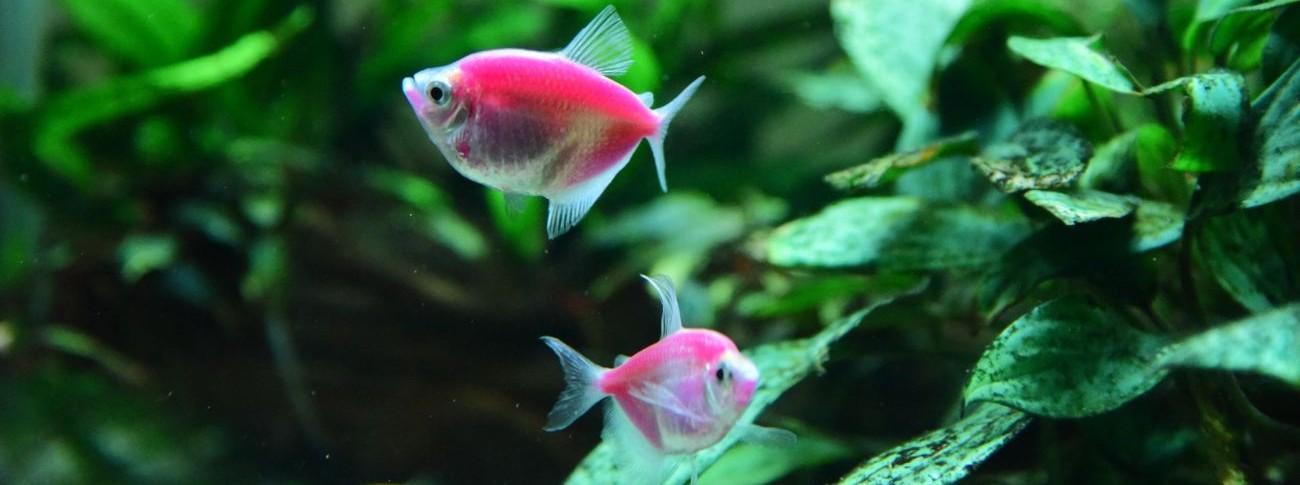
Anyone who has kept fish for a while has probably experienced an unexpected equipment failure. A heater may stop working over the weekend, a canister filter may lose its prime while no one is around, or a slow leak may damage the cabinet before it is noticed. Even fish that appear healthy can struggle when introduced to an unfamiliar environment.
An aquarium monitoring system can help detect these problems early, giving you time to respond before they develop into serious emergencies.
Mobeye offers GSM-based monitoring solutions for aquariums. Depending on the device and configuration, the system can monitor water temperature, power supply failures, water leaks and water levels. If a problem occurs, it sends an alert so you can take action promptly.
The monitoring devices communicate over mobile networks, so no home Wi-Fi network is required. However, the system still depends on its own power supply, mobile network coverage and the correct configuration. A suitable backup power supply can help maintain monitoring during a power failure.
Fish Tank Temperature Alarm: The importance of a stable environment
As any serious Discus enthusiast will tell you, stability is key when it comes to keeping these beautiful but finicky fish. The temperature of the aquarium is particularly important and if it wanders outside the strict bounds of 28-30C, it can lead to increased stress and disease later on down the road. It’s not that a degree or two on either side of the ideal temperature range will outright kill your fish but it will compromise their health.
The Mobeye CM4200 ThermoGuard is a fish tank temperature alarm that can be used to monitor your tanks temperature around the clock and send you an SMS or App notification if it exceeds your desired threshold. If you are a serious breeder or have multiple fish tanks, you can use the CML4255 and CML4275 ThermoGuard TwinLog to keep your tanks stable and monitor if a heater is failing since a slow increase or decrease in temperature will be displayed on your mobile device over time.
Aquarium Power Failure Alert: Power failures are the number one cause for fish loss
The number one cause of unexpected fish losses is power failure and a fished tank left without filtration, aeration and heater for any length of time can turn from healthy to deadly quicker than you think, depending on stocking.
When storms take out power for days at a time for the whole town it can be annoying but for a heavily stocked aquarium housing Angels and Cardinal Tetras, it can be downright deadly. If the tank lacks oxygenation, ammonia levels can skyrocket killing the fish within hours and the absence of water movement can cause lower oxygen saturation than you might expect, especially considering how warm it might be during the summer months.
The Mobeye CM4100 PowerGuard is designed with this exact scenario in mind and can detect power failures as soon as they occur, notifying you by SMS or App when the power goes down, rather than waiting for you to return home to check on your fish, only to find it too late. If you want to monitor an aquarium as well as other devices, the CM4600 CombiGuard can handle both the power failure alert as well as other sensor inputs.
Aquarium Leak Detection: Water damage from leaks can be seen, even when you can’t see the leak itself
Everyone has done it at some point. They have removed the back panel or the cabinet from their stand only to discover a damp spot or worse a dark patch that covers several square inches. A leak can be slow enough to not notice it for days, weeks even, and still cause major water damage long before you realize there is one in the first place.
The CM4300 WaterGuard and CM4300FS WaterGuard-FS can help detect any potential leaks before they cause major water damage. These aquarium leak detectors can be mounted in the most likely places for a leak to occur such as your sump, canister filter or pond pump and are designed to send you a SMS or App alert as soon as they come into contact with water. Cheap insurance against major and costly water damage repairs.
Koi Pond Monitoring and Water Quality Sensors: Monitoring the subtle changes that can add up
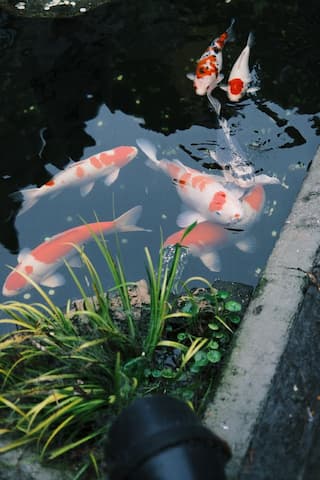
While temperature and power failures are a concern to everyone, it is the more serious Koi and planted tank keepers that understand the importance of a stable environment within their systems. For example, the pH, KH and conductivity levels in a system can fluctuate due to high bio load, rain water run-off or simple evaporation. Any one of these can wreak havoc on fish life and plant growth, especially if they change gradually enough not to be noticed until it is too late.
The CML4015 SISTM and CML4055 CM-Guard TwinLog accept analogue sensor inputs for pH, dissolved oxygen, and conductivity, and log the trend over time, so you know when something is happening so you can stop it, before it becomes an emergency.
Pond Pump Failure Alert: Summer is the time to be especially careful
It is during the summer when temperatures are at their warmest and Koi bioload is at its highest that a failure of your pumping system can lead to a disaster. With rising temperatures, a lack of water movement due to a failed pump can lead to oxygen depletion in the water column, which can cause large losses in a matter of hours. Both the PowerGuard and CombiGuard can be utilized for a pond pump failure alert as both can alert you when power is lost to a pump.
How remote aquarium monitoring works
There is nothing complicated about setting up any of the remote aquarium monitoring devices. They each have a sensor input that must be sited close enough to the equipment to be monitored and then the alert thresholds set according to your needs as well as the phone number to send alerts to. From there on, it can simply run in the background, sending you SMS or App notifications when anything occurs that requires your attention. Because these devices connect to the cellular network, they will continue to work even when your home network goes down or the Wi-Fi is disabled. That means that a power outage that takes down your modem and router will not affect your remote aquarium monitoring devices either.
A sensible starting kit
For most aquarium owners, an alarm for the temperature of your fish tanks as well as an power failure alert for the equipment will be sufficient to cover the majority of potential failures that can happen. Pond owners however should consider investing in both a WaterGuard for the stand as well as a separate power failure alert for the pump.
The fish that die due to an equipment failure are almost never due to negligence on the part of the owner, but rather a complete lack of awareness at a specific point in time. This is why a remote aquarium monitoring system can be so invaluable.
Frequent Asked Questions
A fish tank temperature alarm is a better option than relying on a Wi-Fi smart plug that connects to an app, since a GSM connection is less prone to outages.
Depending on the stocking levels, a heavily planted and/or stocked aquarium can experience spikes in ammonia and a drop in oxygen saturation within hours of losing filtration and aeration.
Smart home devices tend to require Wi-Fi or internet connectivity which can go down due to a power outage, at the worst possible time. A GSM connection will be unaffected.
Neon Tetras prefer stable temperatures within the range of 20-26C. A swing in temperature is likely to result in higher incidence of diseases such as ich and an increase in unexplained mortalities.
Power to equipment and any potential leaks are a must. However, if you are a serious Koi keeper, it is a good idea to invest in sensors for pH, DO and conductivity since they often change without notice.
Browse related product categories: Power failure alarm – Temperature Monitoring – Water Detectors